Inside this article
Many parents assume that babies are the “quiet” stage of development with lots of eating, sleeping and not doing very much. But once you understand what is happening inside a baby’s brain, it becomes one of the most fascinating stages of childhood.
From the moment a baby is born, their brain is developing rapidly. The everyday interactions, sounds, movements and experiences they encounter are all helping to shape how their brain grows. The good news is that supporting brain development doesn’t require expensive toys or complex activities. In fact, most of the things that help a baby’s brain grow happen naturally in everyday life.
Can you actually “build” a baby’s brain?
In a sense, yes.
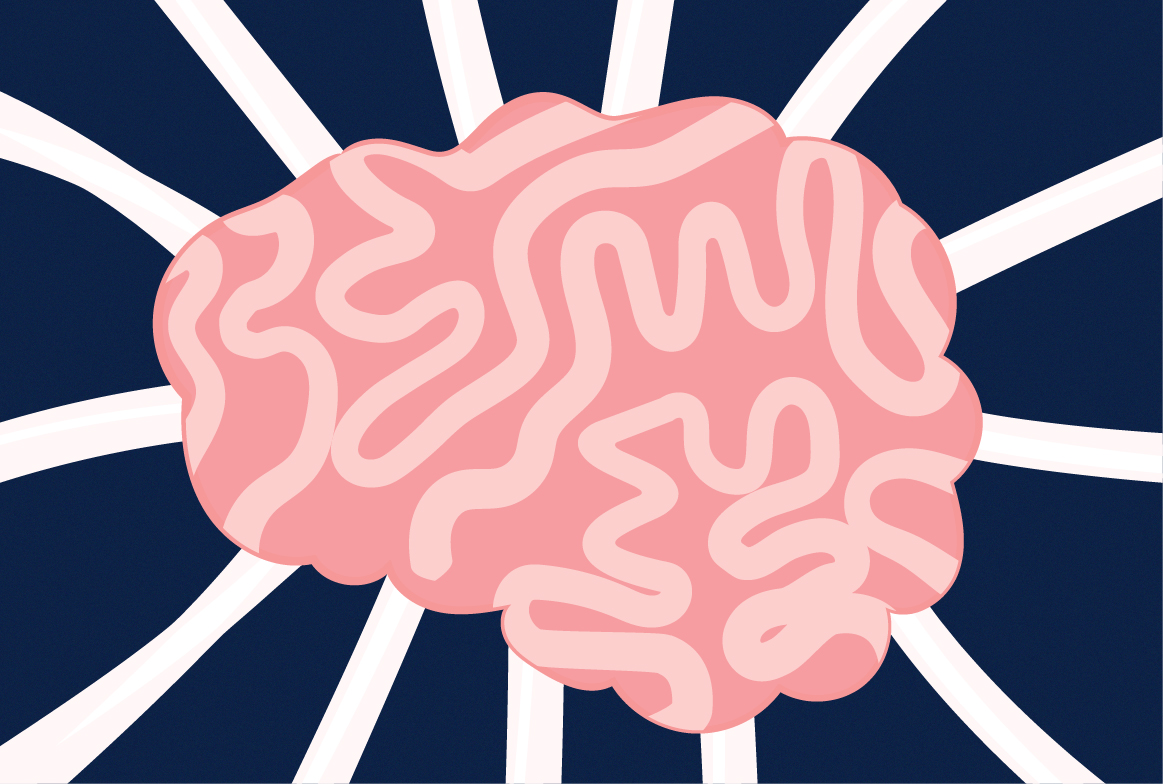
When babies are born, their brains are only about a quarter of the size they will be in adulthood. Although they already have most of the neurons they will ever have, the connections between those neurons are still forming.
These connections — often called neural pathways — develop through experience. Every interaction, sensation and relationship helps strengthen the pathways in a baby’s brain.
So when we talk about “building” a baby’s brain, we are really talking about creating the experiences that help those connections grow.
Brain development begins before birth
Brain development doesn’t start at birth. It begins in the womb.
During pregnancy, babies are already responding to the world around them. For example, they can hear sounds through vibrations in their mother’s body. Later in pregnancy, they begin to recognise familiar sounds such as voices, music or even television theme tunes that are played regularly.
The brain also develops in stages. The earliest parts of the brain focus on basic survival functions, breathing, heart rate and other automatic processes. Next comes movement and physical coordination. The areas responsible for complex thinking, emotional regulation and empathy develop much later.
This is why young children can appear physically capable but still struggle with emotional control. Their brains simply haven’t finished developing those higher-order functions yet.
Experience drives brain development
A baby’s brain develops through interaction with the world. The more varied experiences they have, the more opportunities their brain has to form connections.
These experiences do not have to be elaborate. Simple interactions are often the most powerful. Talking, singing, responding to a baby’s sounds, allowing them to move and explore, and helping them notice the world around them all stimulate brain development.
Even everyday sensations contribute to learning. Feeling warm or cold, hearing different sounds, touching different textures and seeing new things all help the brain process information and build understanding.
The importance of repetition and routine
New experiences are important, but repetition is just as valuable.
When a baby experiences something new, their brain works to process that information. But when they repeat the experience, the brain strengthens the pathway connected to that skill or knowledge.
You can think of this like walking along a path through long grass. The first time you walk it, the route is unclear. But the more times you walk the same path, the clearer and easier it becomes. The brain works in a similar way.
This is why routines and repeated activities are so helpful for young children. Familiar bedtime routines, repeated songs, and everyday tasks like feeding or bath time help build strong neural pathways.
Everyday interactions matter most
Many activities that support brain development are already part of daily life.
Nappy changes, feeding times, and tummy time all offer opportunities for interaction. Talking to your baby, responding to their sounds, and allowing them to explore movement all stimulate the brain.
This type of back-and-forth interaction is often described as “serve and return.” One person does something, perhaps making a sound or expression and the other responds. These exchanges help babies learn communication and build important social and language skills.
Even very young babies can participate in these interactions. They may watch your face closely, mimic expressions or respond with sounds.
Sensory experiences help the brain grow
Babies learn through their senses. Seeing, hearing, touching, tasting and smelling all provide important information to the brain.
Sensory play which involves exploring textures, sounds, and movements, can therefore be very beneficial. But it doesn’t need to be complicated. Everyday experiences such as feeling grass, hearing wind, touching water or exploring safe household objects provide plenty of sensory input.
However, it is important to remember that too much stimulation can be overwhelming.
Avoiding overstimulation
Just as stimulation supports development, too much of it can be difficult for babies to process.
When a baby becomes overstimulated for example, in a very noisy or busy environment, their brain may struggle to process everything at once. Because babies cannot remove themselves from these situations, they may respond by crying, turning away or closing their eyes.
Babies also need quiet time for their brains to rest and process experiences. Calm moments, quiet play and sleep are all essential for healthy brain development.
The value of exploration and everyday life
One of the most important ways to support a baby’s brain is simply allowing them to experience the world.
Going outside, feeling the weather, hearing everyday sounds and watching people and movement all provide rich learning opportunities. These experiences do not require expensive equipment or special activities.
Often, the best learning happens when babies are included in everyday routines — watching a parent cook, listening to a conversation or observing the environment during a walk.
Mess, experimentation and learning
Many parents feel pressure to keep babies clean and tidy, especially during feeding. But experimentation — including mess — plays an important role in learning.
When babies drop food, touch it, smear it or play with utensils, they are exploring cause and effect. They are also developing coordination and sensory understanding.
Allowing space for this experimentation helps babies build connections in their brain. While it can be messy, it is an important part of development.
Responsiveness and balance
Responding to a baby’s needs and signals is essential for healthy development. Babies learn from the interactions they have with caregivers.
However, this does not mean parents need to constantly entertain or stimulate their baby. Children also benefit from short periods of quiet observation or independent exploration.
Balance is key. Babies need both engagement and downtime.
Every baby is different
It is also important to remember that not all babies develop in exactly the same way. Personality, temperament and neurological differences all influence how children respond to experiences.
Some babies thrive in busy environments, while others prefer quieter spaces. Paying attention to your baby’s signals helps you understand what works best for them.
Simple ways to support your baby’s brain
Supporting brain development does not require complicated activities. The most effective approaches are often the simplest:
- Talk, sing and interact with your baby regularly
- Allow time for movement and exploration
- Provide both new experiences and familiar routines
- Include your baby in everyday activities
- Allow space for mess, experimentation and play
- Pay attention to signs of overstimulation
- Make sure babies get plenty of sleep and downtime
The bigger picture
Building a baby’s brain is not about doing more activities or buying more toys. It is about creating a rich, responsive environment where babies can interact with people and explore the world around them.
The most powerful influences on brain development are everyday relationships, experiences and routines. When babies feel secure, engaged and supported, their brains have the best possible foundation for learning and growth.
Inside this article