Inside this article
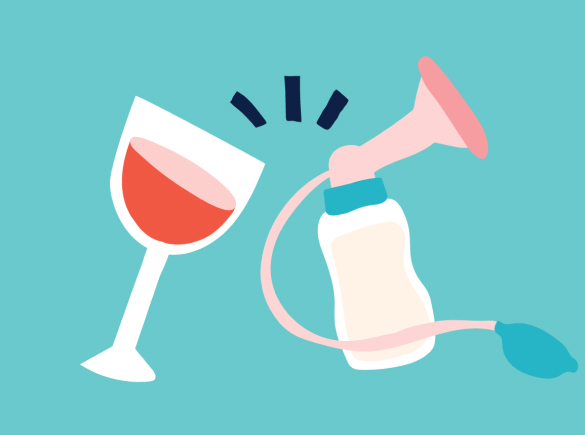
If you are choosing to breastfeed your baby, one of the questions you may have is whether it’s okay to enjoy an alcoholic drink during this time. The good news is that the consensus is that occasional, moderate alcohol consumption is generally safe for breastfeeding mothers. We have created this blog to address common questions surrounding alcohol and breastfeeding and to provide evidence-based tips to help you enjoy a drink responsibly while maintaining your and your baby’s health and well-being.
How alcohol affects breast milk
Alcohol passes freely from the mother’s bloodstream into your breast milk, and levels in breast milk can reach approximately the same concentration as in the mother’s blood. However, if you consume small to moderate amounts of alcohol, the amount of alcohol your baby ingests will be minimal and unlikely to cause any harm. Here’s what you need to know to consume alcohol safely while breastfeeding:
- How long should I wait between drinking and breastfeeding? An occasional drink is unlikely to harm your baby, especially if you wait at least 2 hours after having a drink before breastfeeding. If you’ve had more than one drink, aim for 2–3 hours per drink before your next feed.
- Should I pump and dump to speed up alcohol elimination? Alcohol naturally leaves your breast milk as it leaves your bloodstream, so pumping and discarding milk after drinking doesn’t speed up the process.
- Does my baby’s age matter? Newborns under three months metabolise alcohol more slowly due to their immature livers. Older infants process it more efficiently; however, the advice for drinking alcohol and breastfeeding doesn’t change based on a child’s age.
Is it safe to drink while breastfeeding?
Research suggests that occasional alcohol consumption is unlikely to harm your nursing infant if you wait at least 2-3 hours per drink before breastfeeding. However, heavy or regular drinking, including binge drinking, can lead to more significant concerns, such as:
- Reduced milk intake: Evidence suggests that babies may drink less milk in the 3–4 hours after you consume alcohol, even 1-2 drinks may cause this issue if you are drinking regularly. Drinking less milk regularly could harm a baby’s growth and development.
- Disrupted sleep: Contrary to popular belief, alcohol in breast milk can negatively impact your baby’s sleep patterns and behaviour, making them more unsettled than usual.
- Letdown issues: Drinking five or more alcoholic beverages can interfere with your milk letdown reflex, which could impact your milk supply and baby’s feeding experience.
Safety when it comes to alcohol and breastfeeding
The more pressing concern with alcohol is its potential impact on a parent’s ability to care for their baby. Even a small amount of alcohol can impair judgment and coordination, which could affect a parent’s ability to safely care for their child. To keep your baby safe, it is recommended to:
- Avoid co-sleeping after drinking as alcohol consumption can increase the risk of Sudden Infant Death Syndrome (SIDS) and accidental suffocation.
- Plan ahead if you know you’ll be drinking by expressing milk beforehand to feed your baby during the period when you are drinking, and having someone who is not drinking as the main caregiver during this time.
Top tips for managing alcohol intake while breastfeeding
If you choose to drink, here are some practical tips to help minimise your baby’s exposure to alcohol:
- Time your drinks: Alcohol can pass into your breast milk. An occasional drink is unlikely to harm your baby, especially if you wait at least 2 hours after having a drink before breastfeeding. If you’ve had more than one drink, aim for 2–3 hours per drink before your next feed.
- Express in advance: Pump and safely freeze or refrigerate breast milk ahead of time to use when alcohol may still be in your system.
- Drink with food: Eating slows alcohol absorption and reduces its concentration in your blood and breast milk.
- Stay hydrated: Make sure to drink water in between your alcoholic drinks to space out your alcohol intake and pay attention to how much you are drinking.
- Limit binge drinking: Stick to occasional, moderate drinking to avoid disrupting your milk supply and letdown reflex. For women, binge drinking is classed as 4 or more drinks within 2 hours.
- Swap to alcohol-free options: Alcohol-free options can help you feel like you are enjoying a drink without the risks of ingesting alcohol.
Key Takeaways
How long should I wait?
Alcohol can pass into your breast milk. An occasional drink is unlikely to harm your baby, especially if you wait at least 2 hours after having a drink before breastfeeding. If you’ve had more than one drink, aim for 2–3 hours per drink before your next feed.
Do I need to pump and dump?
No. You don’t need to express to clear your milk of alcohol; the level of alcohol in your milk falls as the level in your body falls.
The most important safety point
Never share a bed or sofa with your baby if you’ve had any alcohol.
Conclusion
Breastfeeding mothers don’t need to abstain from alcohol entirely. Occasional, moderate drinking is generally considered safe when paired with precautions like timing feeds and avoiding co-sleeping after drinking. The key to enjoying your social moments while prioritising your baby’s safety and nutritional needs is balance.
If you have questions about alcohol and breastfeeding, consult a lactation consultant or healthcare provider for more personalised guidance.
Last reviewed and updated on 20 February 2026
Inside this article