
Kaitlin Colucci is one of the leading gut health dietitians in the UK and founder of The Mission Dietitian.
Inside this article
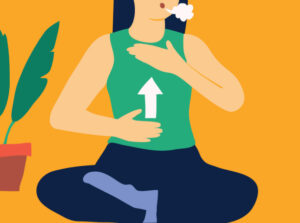
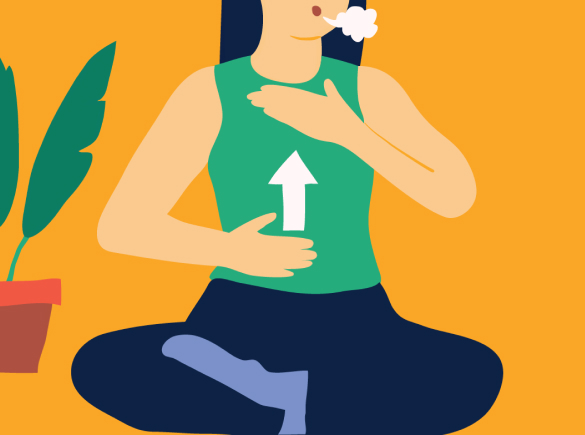
In short: Breathwork is mindful, controlled breathing. Slow, deep breaths activate the body’s “rest and digest” system, which helps you move from a stressed state to a calmer one. It’s free, takes anywhere from a few seconds to a few minutes, and can be done anywhere.
What is breathwork?
Breathwork is a simple yet powerful practice that can help calm the mind and body by simply controlling the breath. There are several different techniques that can be used, each of which have different effects. For parents, especially those caring for babies and young children, breathwork is a free and easy way to manage stress, improve focus, and can help to restore a sense of calm during the day.
Put simply, ‘breathwork’ is just mindful breathing, paying attention to your breath. It’s something we never normally pay any attention to, which can be a powerful tool to bring you back to the present moment. As a parent, if you’re feeling particularly exhausted, overwhelmed, or anxious, this can be hugely beneficial to you. And the way you show up as a parent.
Breathwork doesn’t have to be complicated. Slowing down and just taking a few slow deep breaths, can help you feel more grounded. Reducing feelings of stress is almost like giving your nervous system a reset. Regular breathwork practice has been shown to improve sleep quality and energy levels, something every parent can benefit from!
Breathwork can be done anywhere, at any time of day. For example, doing a quick exercise during nap time, or a few minutes of deep breathing before bed. Incorporating breathwork into your daily routine can make a big difference in how you cope with the challenges of parenting.
How does breathwork reduce stress?
When looking at how breathwork can influence your body and nervous system, it can be explained by how it impacts stress and the nervous system. When we engage in specific breathing techniques, we influence the autonomic nervous system (ANS). This controls functions like heart rate and digestion, without us even thinking about them.
The ANS has two key parts:
- The sympathetic nervous system. This is responsible for the “fight or flight” response (the one which is switched on when you’re stressed)
- And the parasympathetic nervous system. This is often called the “rest and digest” system (the one that switches on when you’re calm and relaxed)
Breathwork, particularly slow and deep breathing, can activate the parasympathetic system, helping us shift from a stressed, reactive state to a calmer, more relaxed one. Studies show that slow breathing can increase heart rate variability (HRV), a marker of parasympathetic activity, which is linked to emotional control and stress reduction.
How does stress affect parenting?
Parenting is incredibly rewarding, but it also comes with its fair share of stress. From sleepless nights and constant multitasking to meeting the emotional and physical needs of your children. The daily pressures can build up quickly.
Over time, stress can affect your ability to stay patient, make decisions, and even connect with your children in a calm and positive way. The mental and physical toll of chronic stress can leave parents feeling overwhelmed, leading to burnout and exhaustion. This makes it even harder to be present and fully engaged with your kids, impacting the way you both feel and your relationship.
Why does breathwork work for parents?
Breathwork is a tool which you can tap into at any time of day to quickly calm your nervous system and reset in the middle of a chaotic day. It’s completely free, doesn’t require you to be anywhere or go anywhere in particular, and can be practised for 5 minutes or even just 5 seconds or to help you get through challenging moments with more ease.
Looking for more ways to incorporate breathwork into your daily routine? Check out our detailed guide on breathwork techniques you can practise every day here.
References
- Jerath R, Edry JW, Barnes VA, Jerath V. Physiology of long pranayamic breathing: neural respiratory elements may provide a mechanism that explains how slow deep breathing shifts the autonomic nervous system. Medical Hypotheses, 2006
- Cleveland Clinic. Sympathetic Nervous System (SNS)
- Cleveland Clinic. Parasympathetic Nervous System (PSNS)
- Hopper SI et al. Effectiveness of diaphragmatic breathing for reducing physiological and psychological stress in adults: a quantitative systematic review. JBI database of systematic reviews and implementation reports, 2019
Related reading
- Practical breathwork techniques for parents
- What is parental burnout? Signs, causes and what actually helps
- Nootropics for parents. Do “smart drugs” really help with the mental load?
About the author
Inside this article